
DUI Law That Killed Live Music
In the 1950s, rock ‘n’ roll was rebellion. By the 1980s, it was roadkill.
From the earliest days of Rock ‘n’ Roll, the government, law enforcement, and religious institutions believed that the youth-oriented music nicknamed “Rock and Roll” was immoral, decadent, and sinful. They actively tried to suppress it.
Many early musicians and rock stars were harassed, persecuted, and even jailed.
How DUI Laws Killed Live Music
Music teachers didn’t like Rock ‘n’ Roll because it was new and they didn’t understand it. However, most people found the music catchy, lively, and refreshing.
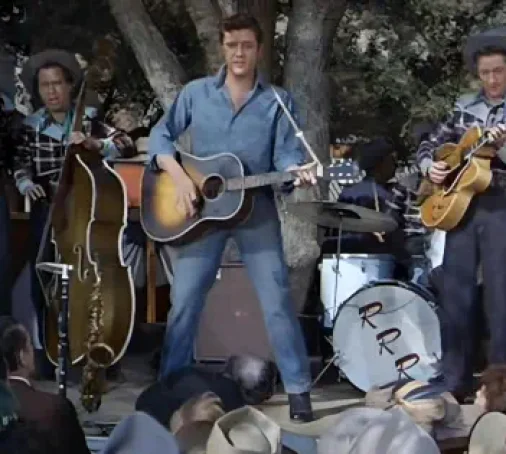
Young people thought the music was great. But after Elvis Presley released his second movie, “Loving You,” in 1957, they went wild over it.
For the first time, teenagers understood that Rock ‘n’ Roll was their music—rebellion against the establishment.
The movie “Loving You” illustrated how adults and the establishment were exploiting young people’s trust and enthusiasm—simply to make money.
Throughout the 1950s, 60s, and 70s, governments, law enforcement, and religious groups tried unsuccessfully to stamp out the rock music rebellion. They faced a tough battle because the general population really liked the music.
As the youths of the 1950s grew into adults and new generations of teens emerged, it became increasingly difficult for the anti-rock movement to sustain its fight.
However, in the mid-1970s, the government began implementing increasingly strict DUI laws—seemingly to prevent lawful citizens from having fun on the weekends.
These laws forced citizens to choose between having fun and enjoying themselves at community functions or driving their cars to work and earning a living.
These laws unfairly fell heaviest on rural towns and small cities (which seldom had driving accidents) because they were more community-oriented and lacked buses or cab services. It was also in these towns and small cities where local bands were often the only form of live entertainment.
The new and heavy DUI laws also had a disastrous effect on local bands and the entire music industry.
For the local bands—when people stopped going out on the weekends—the venues where they played could no longer afford to host live entertainment. Most local bands were forced to close down.
For the music industry, which depended on local bands as a source of new talent, the shift meant they had to turn to electronic music, music videos, solo vocalists, and big, extravagant dance shows to attract the lucrative youth audience. They knew that adults spent much less on music than impressionable young people.
In the end, the vengeful civil authorities and spiteful religious groups got their way. They succeeded in shutting down the Rock ‘n’ Roll revolution… but at a huge cost.
Their crusade has almost completely destroyed the social life and fabric of small cities and towns. People stopped joining social organizations and clubs. Today, few participate in or support local community events.
Most adults in smaller communities now spend most of their free time watching streaming videos instead of talking to friends and neighbors.
But times are changing. For health reasons, many adults are shying away from alcoholic drinks. Liquor companies have noticed this shift and are now offering more (and better tasting) non-alcoholic beverages—and people are buying them.
Big halls and clubs are even opening in major cities to cater to the non-alcoholic crowd.
In a few years, as the public becomes more familiar with non-alcoholic options, they will start going out on the town more often. Then, demand for live entertainment will grow. It’s already happening!
Now is the perfect time for SoloBand performers to tap into this massive demand for local music and live performers.